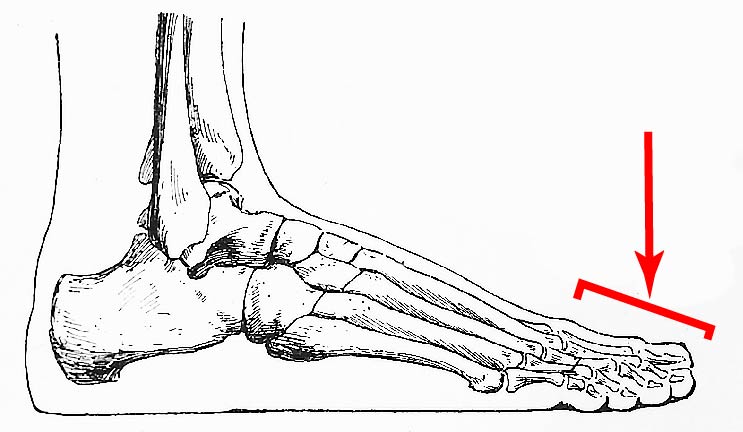
The phalanges are the bones that form the digits of the feet and hands, with fourteen in each foot (three in each toe except the big toe, which has two). These small bones work in concert with tendons and muscles to enable precise movements of the digits, crucial for balance and push-off during walking. The phalanges of the feet help distribute weight during standing and provide leverage during the toe-off phase of gait.
The word "phalanges" comes from the Greek word "phalanx," meaning a line of soldiers standing shoulder to shoulder in formation. This name was chosen because the bones line up in a row like soldiers in military formation.
Image